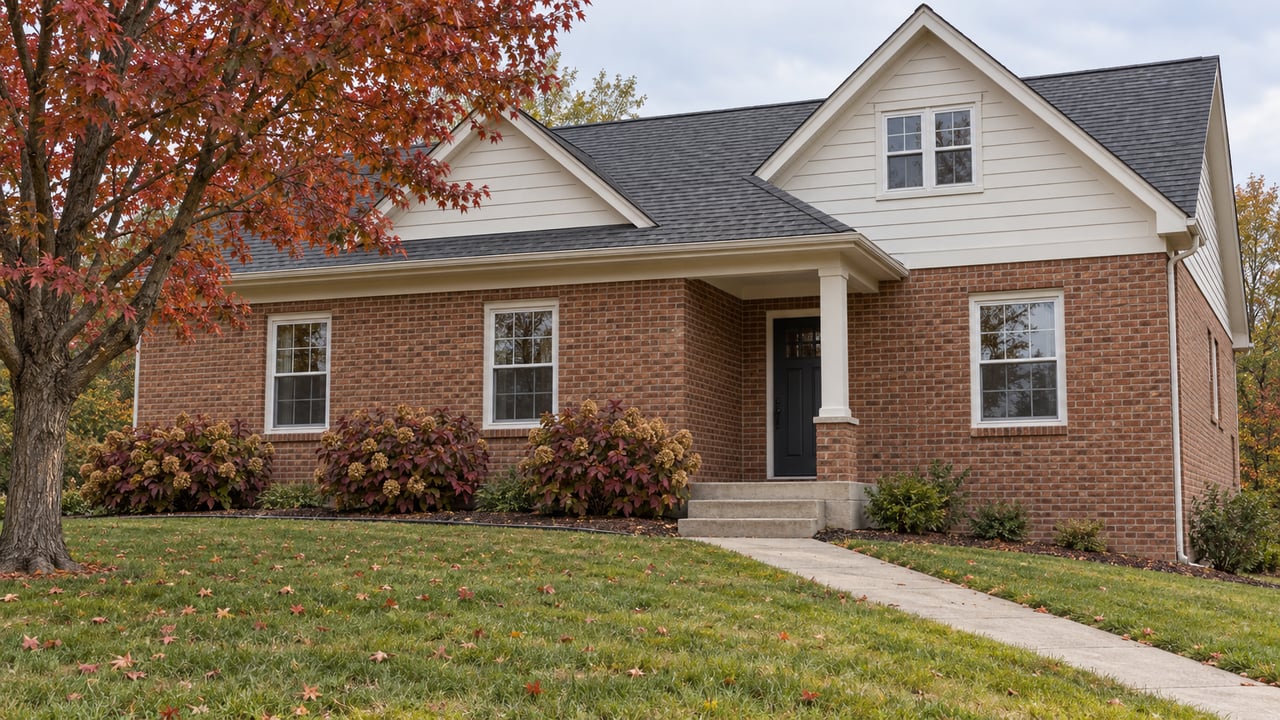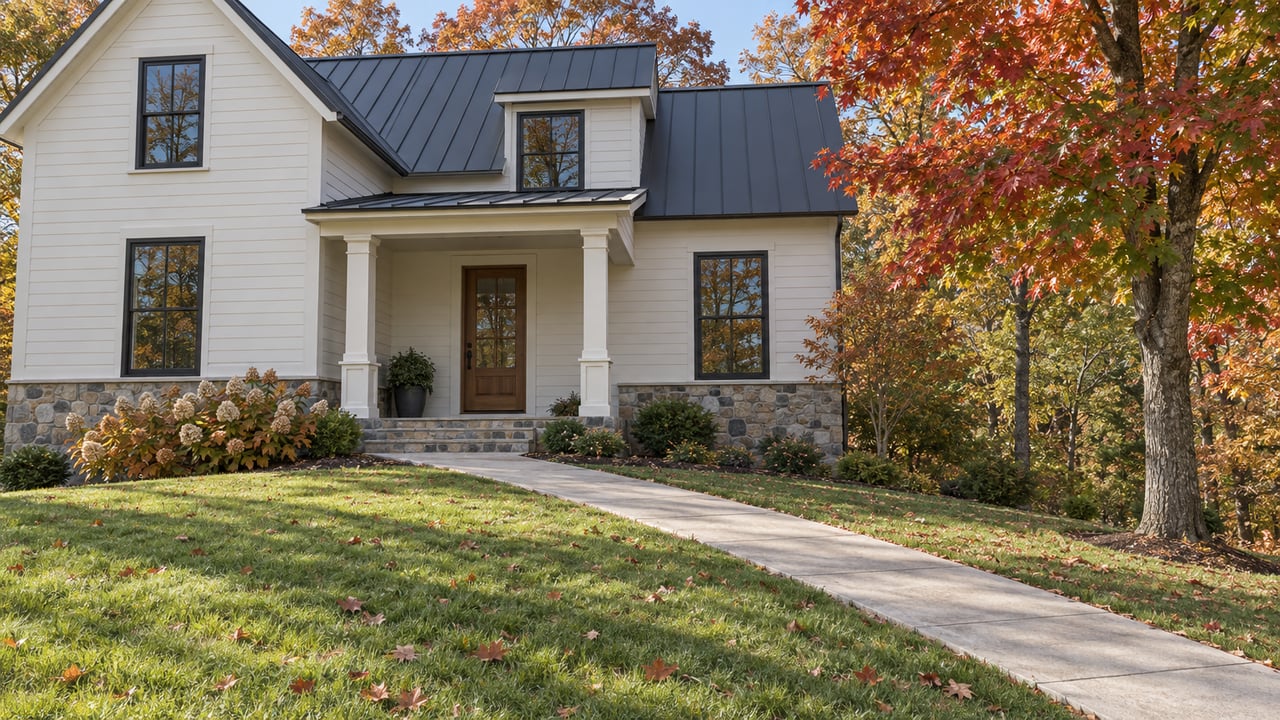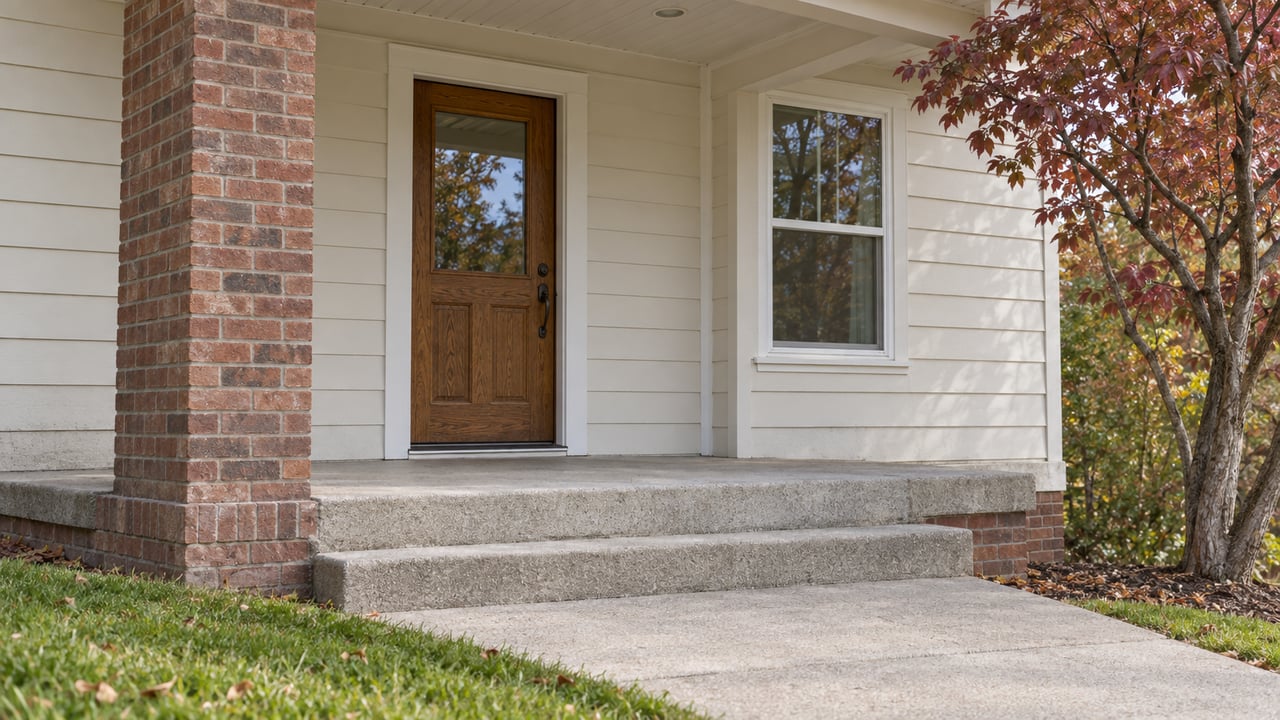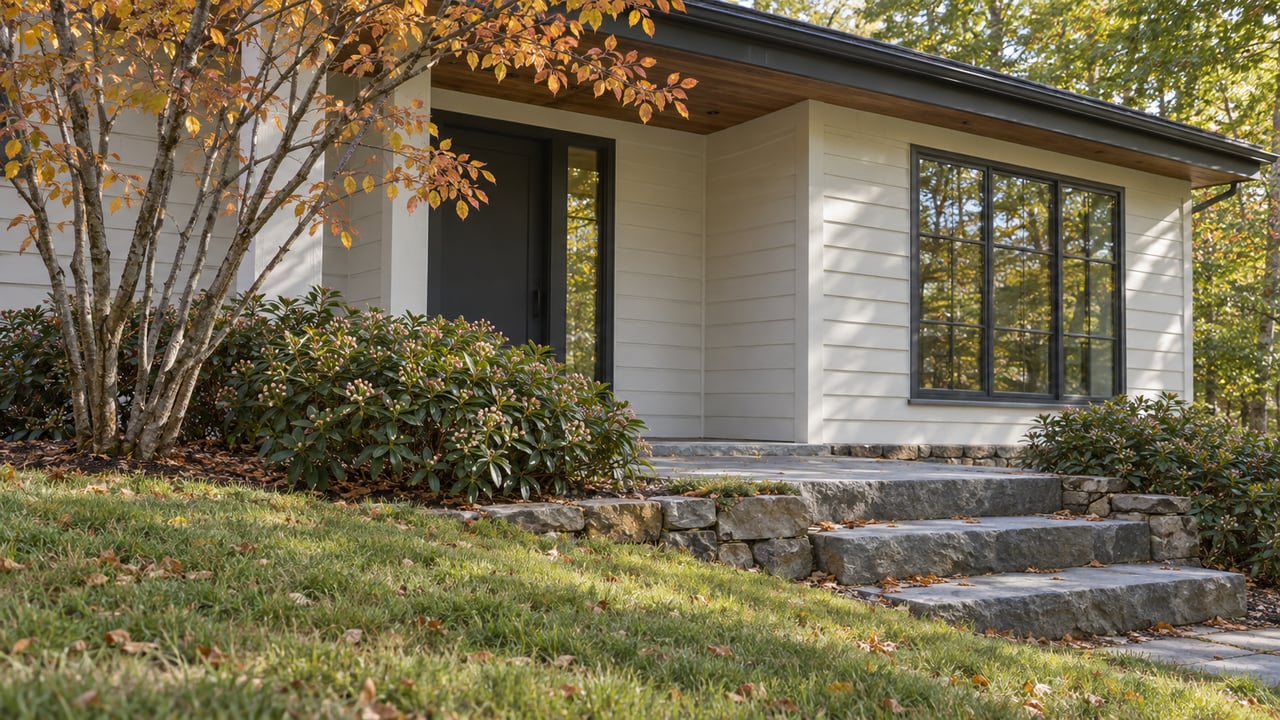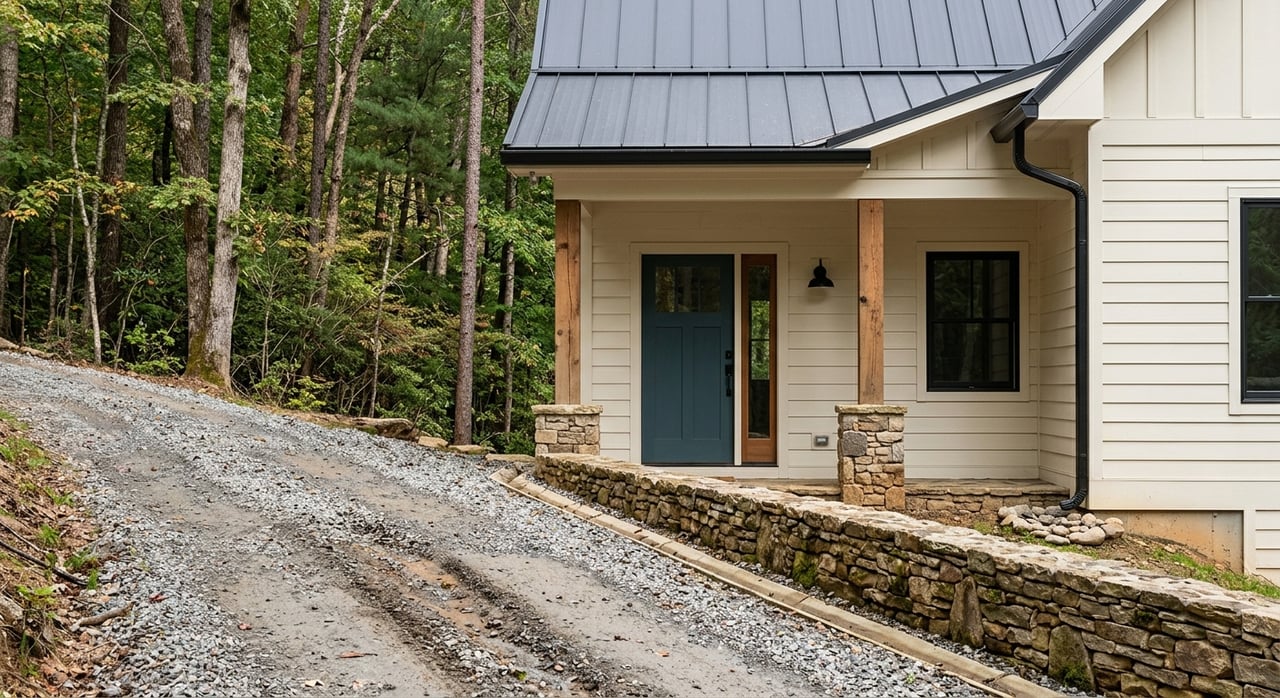
If you are dreaming about a mountain cabin, Little Switzerland can feel like the perfect fit. The views, elevation, and Blue Ridge Parkway setting make it easy to picture quiet weekends, seasonal getaways, or even rental income. But in this part of McDowell County, a cabin purchase is about more than charm. You need to weigh access, maintenance, carrying costs, and year-round usability before you commit. Let’s dive in.
Why Little Switzerland Feels Different
Little Switzerland is not a typical foothill market. According to the McDowell County travel guide, the community sits at about 3,500 feet above sea level and just off the Blue Ridge Parkway at Milepost 334.
That elevation is part of the appeal, but it also shapes how you should evaluate a property. In a high-elevation setting, travel routes, weather exposure, and road conditions can have a real impact on how easy your cabin is to use and enjoy.
Access Should Be a Top Priority
In Little Switzerland, location and access go hand in hand. The National Park Service notes that the Blue Ridge Parkway has a 45 mph speed limit, along with winding roads and elevation changes that can add travel time.
That means a cabin may look close on a map but still take longer to reach than you expect. Before you buy, it helps to drive the route yourself and pay attention to curves, grades, and how comfortable the trip feels in daylight and poor weather.
Parkway Closures Can Affect Travel
Access is not always consistent year-round. The current Blue Ridge Parkway road status page shows closures and partial closures affecting sections around Little Switzerland, including the NC 226 area and nearby stretches.
For you as a buyer, that matters whether the cabin is for personal use, part-time use, or possible rental income. You should verify current access before every trip and avoid assuming the Parkway will always be your easiest route.
Winter Conditions Change the Equation
The NPS also explains that winter conditions on the Parkway can include ice, snow, delayed response times, and limited cell coverage in many areas.
So when you tour a cabin, think beyond the sunny-day showing. Ask yourself whether the driveway, parking, and emergency access will still work well when temperatures drop or weather changes quickly.
Older Cabins Need a Moisture Plan
Many mountain buyers expect a little wear and tear in an older cabin. What often matters more is whether the home has been protected from moisture over time.
The USDA Forest Service guidance on log cabins explains that durability depends heavily on keeping water away from the structure. Roof overhangs, drainage, ventilation, and solid foundations all help reduce decay.
Watch the High-Risk Areas
The same Forest Service guidance points to a few areas that deserve extra attention. Lower logs, exposed end grain, joints that trap water, and any area where runoff or snowmelt reaches wood may need ongoing treatment and maintenance.
When you walk through a property, take a close look at:
- Roofing and flashing
- Gutters and runoff paths
- Decks and porches
- Exterior wood near the ground
- Crawlspace or foundation moisture
- Signs of patchwork repairs
A cabin can be beautiful and still come with meaningful upkeep. In the mountains, moisture management is often one of the biggest long-term ownership issues.
Septic and Utility Questions Matter
Many cabins in rural settings rely on septic systems, and that should be part of your due diligence. The EPA recommends that homeowners inspect septic systems every three years and pump tanks as needed, usually every three to five years.
That may sound routine, but it can directly affect how practical a cabin is for full-time living, frequent guests, or seasonal rental use. If a system is undersized, poorly maintained, or aging, your ownership costs and limitations can change quickly.
Check Records Before Closing
McDowell County Building Inspections administers the state building code and National Flood Insurance Rate Program regulations. That makes permit history, floodplain questions, and unpermitted additions important items to review during the buying process.
This is especially relevant in Little Switzerland because it is an unincorporated community. Before closing, it is smart to confirm what was permitted, what was added later, and whether the property records match the home as it exists today.
Rental Potential Is Real, but Seasonal
If you are considering a cabin that could offset costs through rentals, Little Switzerland does have tourism appeal. The McDowell County travel guide highlights hiking, cycling, scenic views, dining, and lodging tied to the Blue Ridge Parkway, while also noting that many local shops operate from May through October.
That points to a market driven largely by seasonal travel patterns. Demand may be strongest during warmer months, leaf season, and Parkway-focused tourism rather than steady year-round demand.
Visitor Spending Supports the Case
Tourism is not just anecdotal. According to Visit NC county-level visitor expenditure data, McDowell County recorded $108.80 million in visitor spending, including $23.94 million in lodging-related spending.
That does not guarantee performance for any specific cabin. Still, it does show that overnight visitation is a meaningful part of the local economy.
The Property Still Has to Function Well
A pretty cabin is not automatically a practical rental. In this market, usability can matter just as much as views.
Pay close attention to:
- Driveway slope
- Parking count
- Turnaround space
- Ease of year-round access
- Heating reliability
- Emergency access
If guests cannot reach the cabin easily or feel comfortable using it in cooler months, rental appeal can be limited even in a scenic location.
Know the Occupancy Tax Rules
If you plan to rent the cabin short term, tax compliance should be part of your budget from day one. McDowell County states that overnight guests in hotels, bed-and-breakfasts, short-term vacation rentals, and some camping facilities are subject to the county occupancy tax.
According to the county’s occupancy tax form and tourism guidance, the current tax is 6% of gross receipts and is remitted monthly, with returns due by the 20th of the following month.
This is easy to overlook when you first run numbers. But for a realistic income projection, you should treat it as a standard operating cost rather than an optional detail.
Property Taxes and Closing Costs Deserve a Fresh Look
When you budget for a Little Switzerland cabin, make sure you look beyond the list price. McDowell County’s FY 2025 Budget Ordinance set a countywide ad valorem tax rate of $0.5675 per $100 of assessed value.
The county also notes that the next countywide reappraisal will take effect for the 2027 tax year. Since assessments and tax bills can change over time, it is wise to verify the exact current figures during closing rather than relying on past assumptions.
Budget for the Real Ownership Cost
A mountain cabin budget should include more than mortgage and insurance. Depending on the property, you may also need to plan for:
- County property taxes
- Possible fire district assessments
- Septic maintenance
- Road upkeep or access-related costs
- Exterior wood treatment
- Winter readiness and weather-related service needs
McDowell County also provides online tax bill and tax-lien search tools, which is a good reminder to confirm tax status as part of title and closing review.
A Smart Cabin Buying Checklist
A Little Switzerland cabin can be a great fit if you buy with clear eyes. The right property is not just scenic. It is accessible, maintainable, and workable in all seasons.
Before you move forward, focus on these practical checks:
- Verify year-round road access
- Confirm current route conditions and backup routes
- Review septic and water records
- Inspect roofing, drainage, and exterior wood
- Check permit history and any additions
- Review HOA rules or recorded covenants, if any
- Consider driveway, parking, and snow access
- Test whether the cabin feels functional in winter, not just attractive in fair weather
If you are weighing a cabin purchase in Little Switzerland or elsewhere in Western North Carolina, working with a local brokerage that understands mountain access, land, and second-home considerations can make the process much smoother. You can connect with Bootstrap Ventures LLC, DBA Harper Realty for relationship-first guidance grounded in local market knowledge.
FAQs
What should you check first when buying a cabin in Little Switzerland?
- Start with access, including road conditions, driveway usability, and how the property performs during winter weather or Parkway closures.
How high is Little Switzerland in McDowell County?
- The McDowell County travel guide places Little Switzerland at about 3,500 feet above sea level.
What maintenance matters most for an older mountain cabin?
- Moisture management is one of the biggest issues, including roof condition, drainage, exterior wood protection, and signs of rot or water intrusion.
What septic questions should you ask before buying a Little Switzerland cabin?
- Ask about system age, inspection history, pumping schedule, capacity, and whether the property’s current use matches the septic setup.
Can a cabin in Little Switzerland work as a short-term rental?
- It can, but demand appears tied to seasonal tourism, and the cabin still needs practical access, parking, heating, and overall usability.
What is the McDowell County occupancy tax for short-term rentals?
- McDowell County states that the occupancy tax is 6% of gross receipts and is generally remitted monthly.
What is the current McDowell County property tax rate to review before buying?
- McDowell County’s FY 2025 Budget Ordinance lists a countywide ad valorem rate of $0.5675 per $100 of assessed value, but you should confirm the current bill at closing.