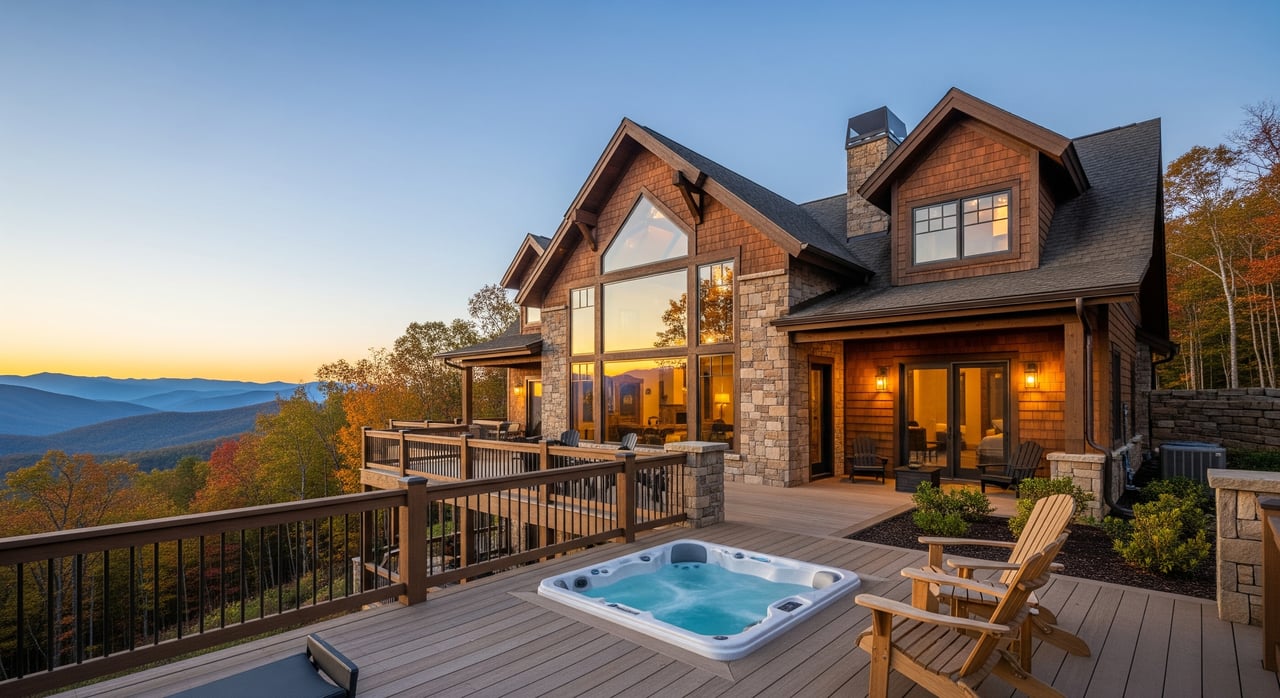
Thinking about renting your Banner Elk home on weekends or for ski season? You are not alone. The High Country’s year-round draw creates steady demand, but rules can be complex if you are new to short-term rentals. This guide walks you through the key steps, from permits and taxes to zoning checks and HOA rules, so you can make confident decisions. Let’s dive in.
Why Banner Elk is unique for STRs
Banner Elk sits close to Beech Mountain, Boone, and scenic trails, so visitor demand shifts with the seasons. Winter brings skiers, while spring, summer, and fall are popular for festivals, hiking, and mountain views. That activity is great for bookings, but it also concentrates traffic, parking, and noise in certain neighborhoods. Planning ahead helps you operate smoothly and stay compliant.
Know the rules and who sets them
Short-term rental rules layer across several authorities. You will likely interact with the Town of Banner Elk, Avery County, the State of North Carolina, and your HOA if you have one. Start with the Town of Banner Elk’s official site to find planning and permitting contacts, and to confirm current requirements.
- Town of Banner Elk: visit the official town website for planning and zoning contacts.
- Ordinances: search the Municode library for Banner Elk’s zoning and code enforcement language.
- County taxes: confirm occupancy tax procedures with Avery County government.
- State sales tax: register and review guidance with the North Carolina Department of Revenue.
- State law background: see municipal planning authority through the North Carolina General Assembly.
Permits and registration in Banner Elk
Rules change, so confirm the current process with town staff. Many North Carolina towns require a rental permit or business registration before you host guests. Applications often ask for owner and local contact info, proof of insurance, and details about the property.
Do you need a permit or license
Ask the Town of Banner Elk whether an STR-specific permit or a general business license is required. Also ask if there is an annual renewal, a fee schedule, and whether you must display a registration number on your listings. Some towns require you to notify adjacent neighbors at the time of application. Town staff can explain what applies today.
Inspections and safety basics
Expect life-safety standards consistent with building and fire codes. Common requirements include:
- Working smoke detectors in each sleeping area
- Carbon monoxide detectors where required
- Accessible exits and clear egress routes
- At least one fire extinguisher
- Posted emergency instructions and local contact information
Inspection timing varies. Some towns inspect before issuing permits, others inspect on complaint. Ask the town or fire marshal how Banner Elk administers inspections.
Occupancy, parking, and quiet hours
Occupancy limits are often tied to ordinance language or fire code. Parking requirements may specify off-street spaces per rental. Quiet hours and nuisance standards usually fall under the town’s general code. Request guidance from planning or code enforcement to learn the current standards and who enforces them.
Taxes you must collect and remit
In North Carolina, most short-term rentals must collect state sales tax and a local occupancy tax from guests. You are responsible for registering, collecting, filing, and remitting on schedule unless a specific arrangement says otherwise.
Register with NCDOR for sales tax
Create your sales and use tax account with the North Carolina Department of Revenue. NCDOR provides filing schedules and instructions for rental operators. Keep copies of your returns and payments for your records.
Confirm Avery County occupancy tax
Contact the Avery County tax office to confirm the current occupancy tax rate, registration steps, and filing schedule. You can reach the county through the Avery County government site. Ask whether you file occupancy tax through the county directly or through a state portal.
Displaying taxes to guests
Build taxes into your booking process so guests see the itemized amounts. Save documentation for audits and renewals. If you use booking platforms, confirm how their settings handle tax collection, then verify your filings still meet state and county rules.
Zoning and where STRs are allowed
Whether you can operate a short-term rental often depends on zoning and property type. Single-family homes, duplexes, condos, and mixed-use buildings can have different rules.
How to check your parcel
- Ask planning staff to confirm the property’s zoning district and allowed uses. Start at the Town of Banner Elk website to locate contacts.
- Review the zoning ordinance language in the Municode library for definitions, use tables, and any use-specific standards for transient lodging.
Conditional or special approvals
Some towns require a conditional or special use permit for rentals in certain districts. If Banner Elk uses this approach for specific zones, staff can explain submittal requirements, hearing timelines, and decision criteria. Factor this into your purchase or launch schedule.
Enforcement and how to avoid violations
Local governments typically enforce via warnings, fines, stop-hosting orders, or permit suspension. Repeat violations can lead to escalating penalties. Ask the town about its complaint process and how it handles noise, parking, or occupancy issues.
Practical steps to stay compliant
- Set a clear maximum occupancy aligned with code guidance.
- Provide off-street parking instructions and a map.
- Post house rules for quiet hours and trash handling.
- Keep a 24/7 local contact who can respond quickly.
- Inspect smoke and CO detectors between stays.
If a complaint happens
Respond quickly and document your actions. Keep a log of guest communications, noise monitoring records if used, and maintenance receipts. If the town issues a notice, follow the instructions and ask about any appeal process that may be available under the code.
HOA and condo rules you must confirm
Private covenants can be stricter than municipal rules. Many HOAs regulate or prohibit short-term rentals, set minimum stays, or require rental registration and parking decals. Before you buy or list, gather the documents below and review them closely.
Documents to request from the seller or HOA
- CC&Rs, bylaws, and current rental policy
- Any rental application or registration forms
- Parking, gate, and amenity access rules
- Proof of insurance requirements for rentals
- A written statement of current enforcement practices
Due-diligence checklist for buyers and investors
Use this step-by-step list when evaluating a Banner Elk property for short-term rental use.
- Confirm zoning and allowed use
- Check the property’s zoning district and use allowances through the town. Review ordinance language in the Municode library.
- Confirm municipal permits
- Ask planning or permitting staff if you need an STR permit or business license and whether inspections apply. Start at the Town of Banner Elk site.
- Confirm county and state taxes
- Register with the North Carolina Department of Revenue for sales tax and confirm Avery County occupancy tax procedures with the county government.
- Review HOA or condo rules
- Obtain CC&Rs and rental policy. Ask the HOA for a written statement on STR enforcement and any minimum stay requirements.
- Confirm safety and building code compliance
- Check smoke and CO detectors, exits, and fire extinguisher placement. Ask the town or fire marshal about any inspection process.
- Verify parking and trash rules
- Confirm off-street parking requirements and seasonal trash protocols with the town and HOA.
- Check neighbor-notification or signage
- Ask if you must display a permit number on listings or notify adjacent neighbors during application.
- Insurance and management
- Confirm your policy covers short-term rental use and liability. Consider a local manager or agent for guest support.
- Understand enforcement risks
- Request information on recent enforcement actions and the complaint process. Factor compliance into your operating budget.
A simple launch timeline
- Week 1: Confirm zoning, HOA rules, and whether permits are required. Start tax registration.
- Week 2: Complete any permit or business license applications. Order safety equipment and finalize house rules.
- Week 3: Schedule inspections if needed. Set up tax collection settings and bookkeeping.
- Week 4: Publish listings with any required registration number. Test guest communications, parking directions, and emergency info.
Your next step in Banner Elk
Short-term rentals can perform well in Banner Elk when you plan for seasonality, safety, and compliance. Start early, document each step, and keep a clear line to town and county offices. If you are comparing properties or weighing ROI, a local advisor helps you move faster and avoid surprises.
If you want help evaluating an address or assembling a diligence plan, reach out to Bootstrap Ventures LLC, DBA Harper Realty. We combine multi-generational local knowledge with investor-focused guidance so you can buy and operate with confidence.
FAQs
What taxes apply to short-term rentals in Banner Elk
- Most rentals must collect North Carolina state sales tax and a local occupancy tax. Register with the North Carolina Department of Revenue and confirm occupancy tax procedures with Avery County government.
Does the Town of Banner Elk require a rental permit
- Many NC towns require permits or business licenses for STRs, so you should confirm current requirements with the Town of Banner Elk through the official website before hosting.
How do I find zoning rules for a specific Banner Elk property
- Ask planning staff for the parcel’s zoning district, then review definitions and use tables in the Municode library to confirm whether short-term rental use is allowed or requires a special approval.
Who enforces STR complaints and what are penalties
- Enforcement is typically handled by town code enforcement, planning, or police, with tools like warnings, fines, and stop-hosting orders. Ask the town about its complaint process and appeal options.
Are there occupancy limits or parking requirements for STRs
- Occupancy often ties to fire or building code and local ordinance, and parking standards may specify off-street spaces. Contact the town to confirm Banner Elk’s current standards and enforcement approach.
Do HOA or condo rules override town allowances for rentals
- HOA covenants can be stricter than municipal rules and may limit or prohibit short-term rentals. Review CC&Rs, bylaws, and rental policies, and request the HOA’s written enforcement practices.
Where can I verify current STR rules in North Carolina
- Use the Town of Banner Elk site for local contacts, search ordinances in the Municode library, check county tax pages at Avery County government, and review state guidance through the North Carolina Department of Revenue and North Carolina General Assembly.