Selling land in 28655 is different from selling a house. Buyers will ask about title, access, surveys, zoning, septic, and environmental constraints before they make a strong offer. If you prepare those items up front, you shorten time on market and reduce surprises. This guide walks you through the key Burke County steps so you can list with confidence and negotiate from a position of strength. Let’s dive in.
Start with three essentials
Clear title and legal access
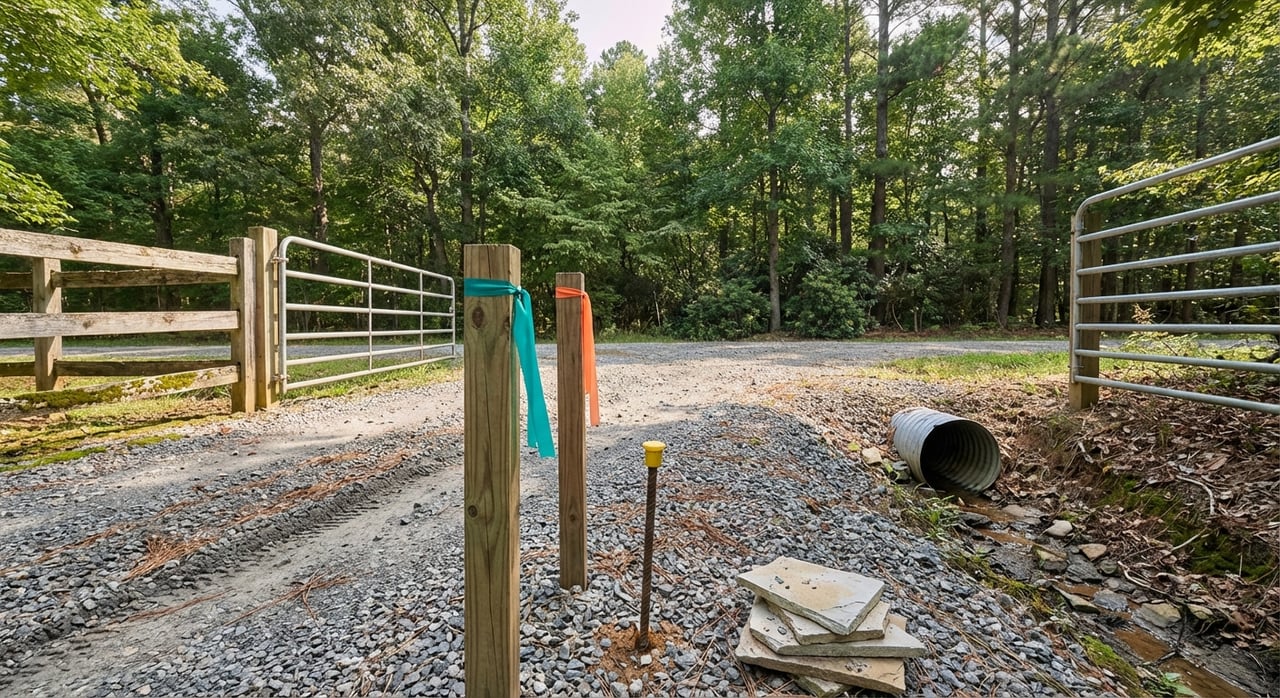
Pull your recorded deed and any easements from the Burke County Register of Deeds to confirm who must sign and what rights are on record. You can locate documents by book and page, instrument number, or name through the Register of Deeds portal. If your driveway connects to a state road, confirm that access will meet the NCDOT “Policy on Street and Driveway Access to North Carolina Highways.” You may need an entrance permit, sight-distance verification, and spacing compliance. Review the state access policy before you promise driveway potential in your marketing.
Accurate boundaries and survey
Buyers expect clear lines. Gather any recorded plats and prior surveys. If you do not have a recent boundary or topographic survey, consider ordering one. The county’s Subdivision Ordinance explains when plats are required and notes exemptions, including a common one for divisions of land greater than 10 acres when no street dedication is involved. A current survey reduces closing delays and supports stronger offers.
Realistic buildability
In Burke County, new construction typically needs a zoning permit prior to septic or building permits. Buyers will also ask for septic and well feasibility or public utility availability. You can review septic records or apply for permits through Burke County Environmental Health. For environmental constraints, check FEMA Flood Insurance Rate Maps and the county flood ordinance early. Start with the FEMA Flood Map Service Center to see any mapped flood zones that could affect use and financing.
Step-by-step checklist before you list
- Confirm ownership and pull deeds. Verify the legal owner name, co-owners, and recorded rights like easements or timber deeds through the Register of Deeds. A clean paper trail speeds escrow.
- Collect plats, surveys, and your parcel tax card. If boundaries are unclear, order a boundary or topographic survey. The county’s Community Development page links to zoning and subdivision resources.
- Verify legal access. Confirm recorded road frontage or a permanent access easement. If access connects to a state-maintained road, review the NCDOT access policy and be prepared for an entrance permit.
- Check zoning and permitted uses. Burke County practices countywide zoning for unincorporated areas. Contact planning staff via Community Development to verify uses, setbacks, and any overlays that apply to your tract.
- Prepare septic and well info. Pull existing permits or request an Existing Septic Verification with Environmental Health. If you plan to market as buildable, consider pursuing an improvement permit or soils testing.
- Screen for floodplain and wetlands. Use the FEMA Flood Map Service Center for a first look. If you have streams or wet areas, buyers may ask for a wetlands delineation. Work in jurisdictional waters often needs U.S. Army Corps review. See the Corps’ permit overview for Section 404 and Section 10 at the Regulatory Program page.
- Evaluate timber and agricultural value. If your tract is wooded, a consulting forester can run a timber cruise and advise on marketing. NC State Extension’s guide explains best practices and sealed-bid sales. Review the timber sales planning guide.
- Confirm Present-Use Value tax status. If you are enrolled in PUV for forest or farm use, understand transfer and rollback tax rules before you quote annual taxes to buyers. Start with NC Extension’s PUV transfer guidance.
Zoning and subdivision rules in Burke County
Burke County administers zoning permits, subdivision review, and floodplain enforcement through Community Development. Because permitted use and density drive land value, contact planning staff early to confirm what the current zoning allows and what approvals would be required for your intended buyer. You can reach staff and find forms via Community Development.
If you plan to split a parent tract, study the Subdivision Ordinance. The ordinance outlines when a plat is required, private road standards, and when the county prohibits selling lots until a final plat is recorded. It also includes exemptions. A common one is for divisions greater than 10 acres that do not dedicate a street right of way, which are typically not treated as a subdivision. Always verify details with county staff, since timelines and bonding for roads or improvements can add months to a project plan.
Septic, wells, and utilities
Buildability depends on wastewater, water supply, and in some cases public utilities. If there is an existing system, locate records or request verification through Environmental Health. If there is no system or the system is old, buyers often seek an improvement permit or soils testing during due diligence. Public water or sewer capacity and extension costs, if applicable, can influence pricing and buyer interest. Getting clarity on these items early helps you market accurately.
Floodplains, wetlands, and environmental checks
Mapped floodplains can limit development, affect insurance, and impact financing. Start with the FEMA Flood Map Service Center to see if any portion of the property sits in the 100-year floodplain or floodway. If your land includes streams or wet areas, a buyer may request a wetlands delineation and a U.S. Army Corps jurisdictional determination. Work that places fill or crossings in jurisdictional waters typically requires federal permits under Section 404 or Section 10. The Corps outlines permit types and procedures on its Regulatory Program page. Documenting these constraints up front reduces surprises and supports cleaner negotiations.
Timber, agriculture, and tax planning
If merchantable timber is present, a professional timber cruise can reveal value you might otherwise leave on the table. NC State Extension explains why a consulting forester and competitive bidding often improve seller outcomes. Review the timber sales planning guide to understand common sale methods and timber deeds.
For annual taxes, confirm whether your property is enrolled in North Carolina’s Present-Use Value program. Forestry classification typically requires at least 20 acres under a sound management plan, and agricultural classifications have acreage and income tests. A change in ownership or use can trigger rollback taxes. NC State Extension’s PUV transfer guidance explains how enrollment, transfers, and rollbacks work so you can disclose accurately and avoid closing delays.
Prepare a clean buyer file
Create a single property file that you can share with interested buyers and your listing agent. Include:
- Recorded deed, parcel ID, and any recorded plats or surveys from the Register of Deeds
- Parcel tax card and any PUV documentation from the Extension guidance on PUV transfers
- Septic or well permits, or an Existing Septic Verification from Environmental Health
- Floodplain notes and FIRM screenshots from the FEMA map portal
- Wetlands or streams notes, plus any U.S. Army Corps correspondence from the Regulatory Program
- Access documents such as recorded easements or driveway permits, and any road maintenance agreements
- Timber cruise or management plan if forested, and any timber-sale history supported by the Extension timber guide
Pricing and strategy decisions
- Sell as raw acreage or as improved lots. If you plan to create lots, study the Subdivision Ordinance for minimum lot standards, frontage, and any private road requirements. Timelines for plats and improvements can shift your carrying costs.
- Decide how to handle timber. You can sell timber separately through a timber deed or include it in the land sale. A pre-listing timber cruise and a forester-led marketing process can improve net proceeds. Use the Extension timber guide to plan next steps.
- Account for PUV taxes. Disclose current enrollment and discuss potential rollback taxes with your advisor. Share the PUV transfer guidance with serious buyers so everyone aligns on expected costs.
Professionals to engage
- Licensed land surveyor for boundary updates and plats, especially if lines or access are unclear
- Consulting forester for timber cruise, marketing, and management-plan guidance
- Real estate attorney for deed, easement, timber, and any conservation-easement documents
- Septic designer or civil engineer if soils are limiting or you plan to secure an improvement permit
- Land-focused listing broker with Burke County experience to package data, price correctly, and reach active acreage buyers
Your next step
You do not have to navigate Burke County zoning, septic permits, flood maps, and timber value alone. If you pull the key documents now and line up clear access, surveys, and buildability, you will attract stronger offers and close with fewer contingencies. When you are ready, connect with a local, land-savvy team to package your file, set a pricing strategy, and market to the right buyers.
If you would like help getting your property ready, reach out to Bootstrap Ventures LLC, DBA Harper Realty for a no-pressure consultation. We will review your goals, outline the fastest path to market, and coordinate the steps that matter most.
FAQs
What documents do I need before listing land in Burke County?
- Gather your recorded deed and any easements from the Register of Deeds, plus plats or surveys, septic records from Environmental Health, and any flood or wetlands notes from the FEMA map portal and the U.S. Army Corps Regulatory Program.
How do I verify legal access to my Burke County tract?
- Confirm recorded frontage or a permanent access easement through the Register of Deeds and review the NCDOT driveway rules in the state access policy if your entrance connects to a state-maintained road.
Do I need a new survey to sell acreage near Morganton?
- If boundaries are unclear or outdated, buyers often require a current survey; check prior plats and consider ordering a boundary or topographic survey consistent with the county’s Subdivision Ordinance.
How do floodplains or wetlands affect a land sale in 28655?
- Flood zones can limit development and financing, and wetlands or stream impacts may require federal permits; start with the FEMA map portal and review permit basics on the Corps’ Regulatory Program page.
What is Present-Use Value and could a sale trigger rollback taxes?
- North Carolina’s PUV program reduces taxes for qualifying forest and farm land, but a change in ownership or use can trigger rollbacks; see NC State Extension’s PUV transfer guidance and disclose enrollment to buyers.
Can I split my Burke County tract into smaller lots before selling?
- Many lot splits require county subdivision review and a recorded final plat before sale; some exemptions exist, including certain divisions over 10 acres, so verify details in the Subdivision Ordinance and with planning staff via Community Development.