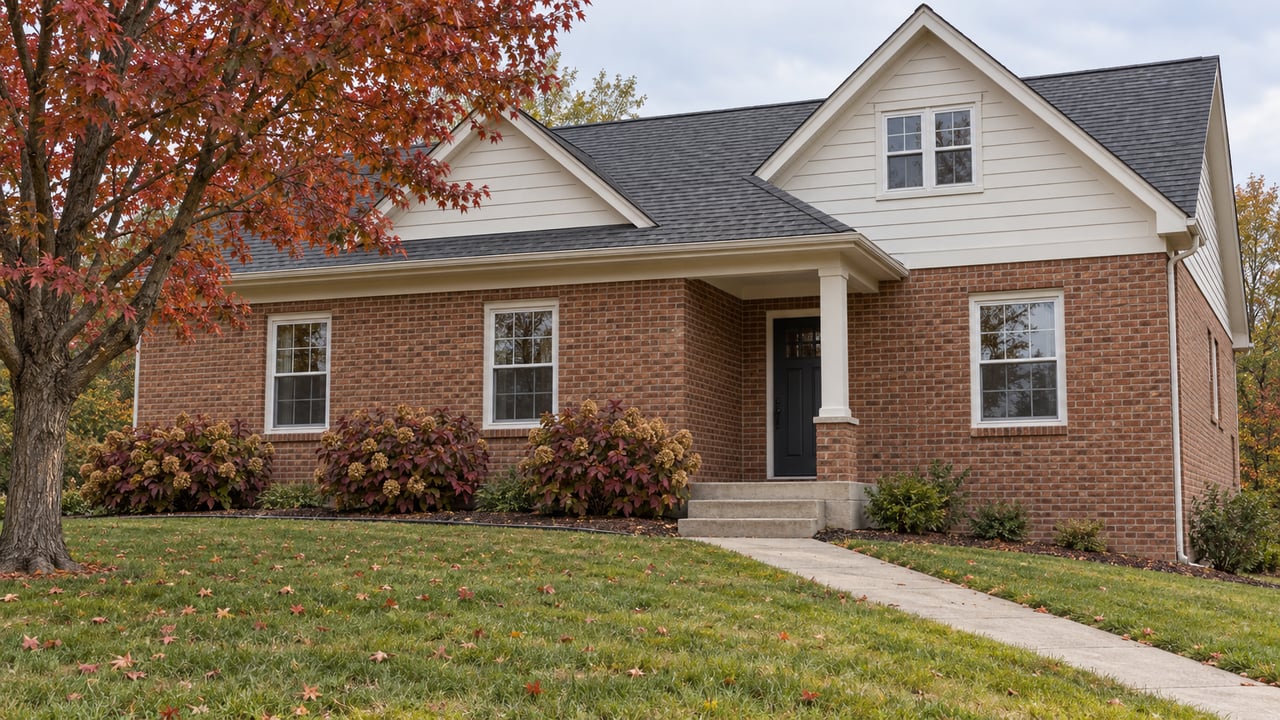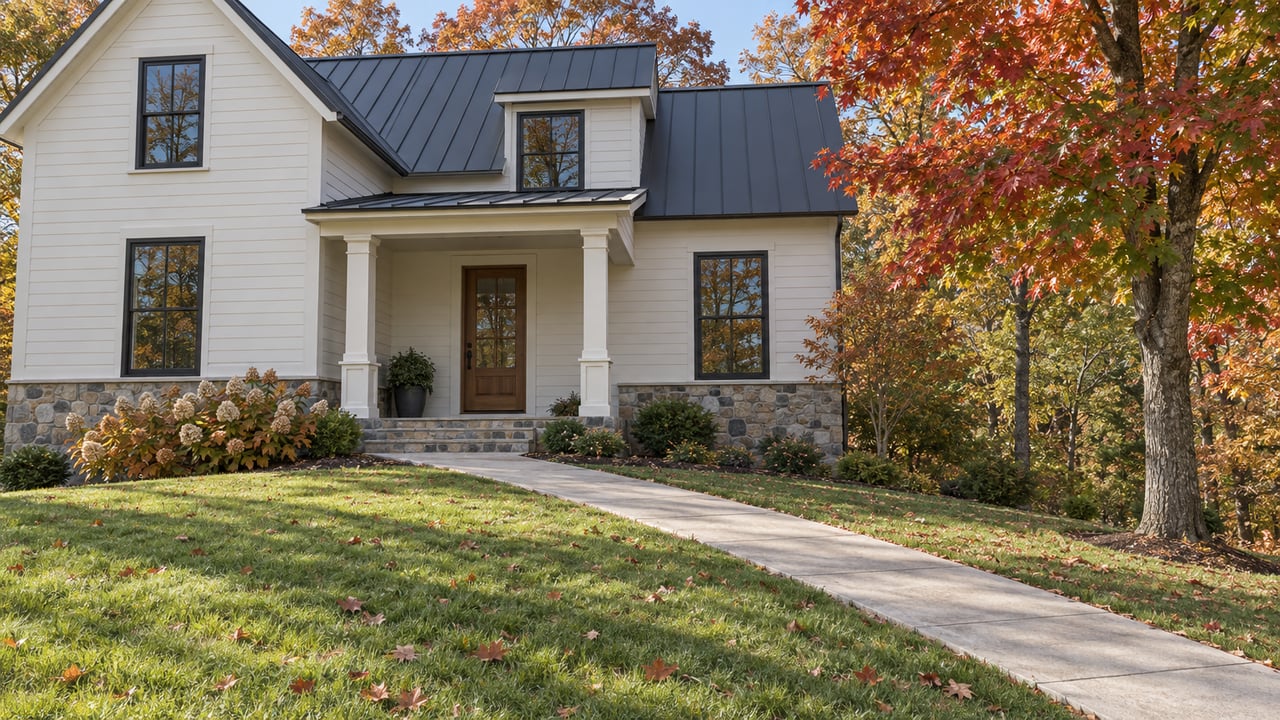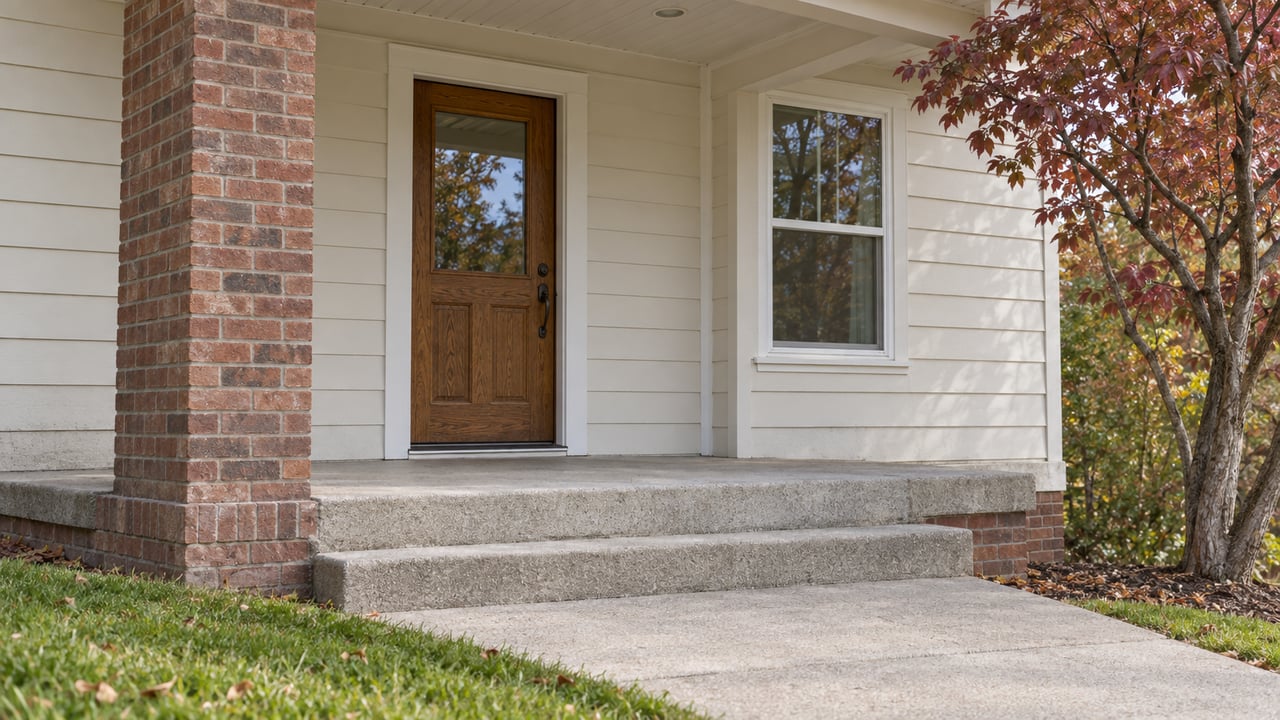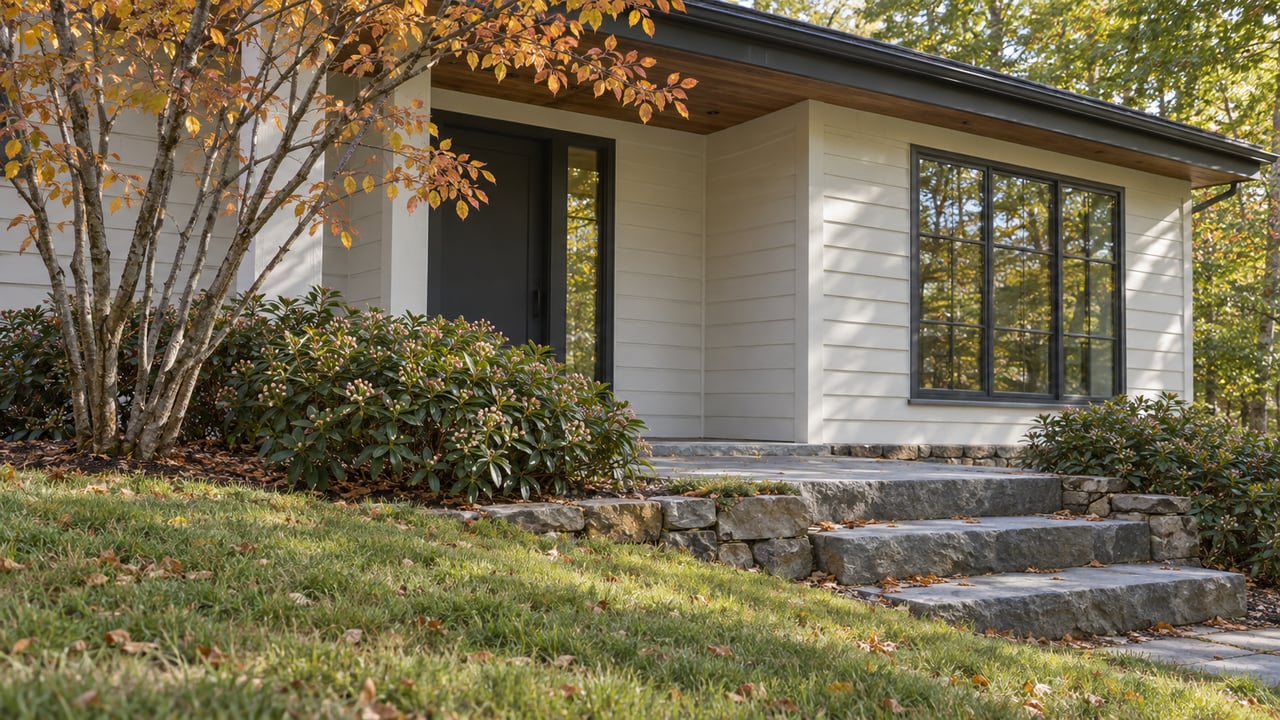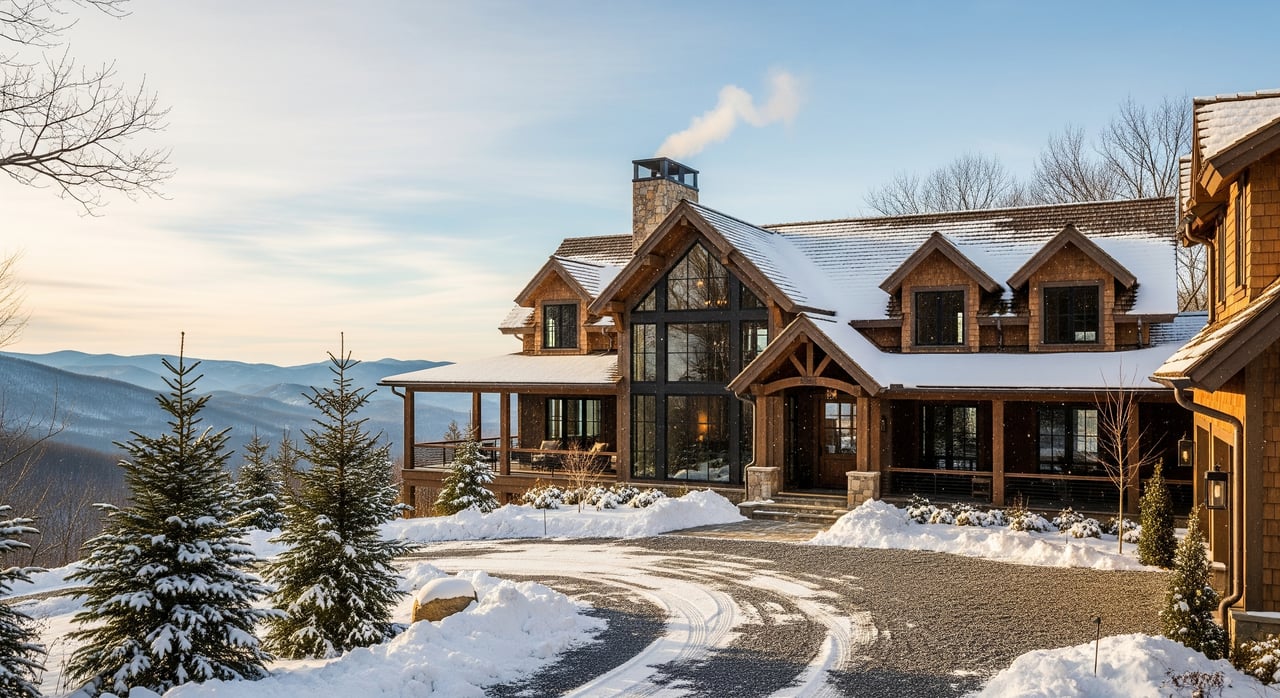
Thinking about buying a home in Boone this winter? Snowy views and quieter streets can make the High Country feel magical, but winter also changes how you tour homes, inspect systems, and negotiate. You want a clear picture of the tradeoffs so you can time your move with confidence. In this guide, you’ll learn the real pros and cons of buying in winter, what you can and can’t inspect in cold weather, and how to plan smart contingencies for Boone and Watauga County. Let’s dive in.
Why winter buying can work
Winter shifts the Boone market in your favor in a few important ways. Buyer activity typically cools off compared to spring and summer, which can reduce competition. That pattern aligns with broader seasonality trends seen in regional and national data from the National Association of Realtors’ Existing-Home Sales reports.
You may also find motivated sellers who want to wrap up a move during the off-season. Inspectors and some service providers often have more schedule flexibility, which can help you move from offer to closing faster.
Key advantages
- Less buyer competition, which can limit bidding wars.
- More room for negotiation on price, repairs, or closing costs.
- Easier scheduling for inspectors and contractors.
- Cold-weather testing is useful for heating systems and radon.
Real risks to weigh
Boone sits in the High Country, and winter weather can be a real factor. Snow and ice can limit access, hide roof and yard issues, and delay certain tests. Mountain roads and steep driveways can require extra caution and, at times, four-wheel drive.
There are also market tradeoffs. Fewer listings mean fewer choices. Appraisals can be trickier when there are fewer recent comparable sales on record, which can affect timelines and negotiations.
Common challenges
- Weather can block driveways and hide roof, yard, or drainage problems.
- Frozen ground complicates septic and percolation tests.
- Fewer comps can make appraisals slower or more conservative.
- Some exterior repairs or inspections must wait for a thaw.
What winter reveals vs. hides
Winter is a great time to stress-test certain systems. It is also the season when snow and ice can obscure important details. Plan your inspections accordingly.
Tests that work better in cold
- Heating performance under load and fuel system checks.
- Thermostat, duct, and room-by-room airflow tests.
- Chimney and fireplace draft and safety checks.
- Attic and crawlspace insulation and ventilation, where accessible.
- Radon testing in closed-house winter conditions, supported by EPA radon guidance.
Inspections limited by snow or ice
- Septic, percolation, and soil assessments when ground is frozen.
- Roof surface, shingles, and flashing covered by snow or ice.
- Exterior grading, drainage, and erosion patterns under snow cover.
- Driveway and concrete condition when cracks are hidden.
Tip: Ask for winter utility bills, recent heating maintenance records, and any history of ice dams or frozen pipes. This paperwork helps you see how the home performs when temperatures drop.
Appraisals and comps in winter
When fewer homes sell, appraisers may need to lean on older or less similar comps. That is common in mountain markets with unique features like steep slopes or private roads. Prepare to support your value with local data and recent concessions on similar homes. Your agent can reference regional trends from the High Country Association of REALTORS and broader seasonal patterns from NAR’s Existing-Home Sales.
If an appraisal comes in below contract price, you can negotiate, seek revised comps, or explore timing strategies if new sales data becomes available.
Plan your winter search
Cold-weather preparation will make your tours safer and your inspections more complete. A little planning up front can save you from surprises later.
Before you tour
- Confirm the seller will clear and sand the driveway, steps, and walkways.
- Schedule showings in daylight to evaluate exterior conditions.
- Budget extra travel time for mountain roads and bring appropriate tires.
- Request winter utility bills, heating maintenance records, and any snow removal agreements.
- Ask for HOA or private road maintenance policies and costs.
During showings
- Test heat in multiple rooms and note any uneven temperatures.
- Look for signs of condensation at windows and doors.
- Check attic and crawlspace access for insulation and ventilation.
- Ask about any history of ice dams, frozen pipes, or septic issues.
- If access is unsafe, request a live video walkthrough or close-up photos of the roof, gutters, driveway, and mechanicals.
Smart contingency language
Work with your agent and attorney to tailor winter-focused contingencies. Consider options such as:
- Allow septic testing or detailed soil/percolation checks after ground thaw, with agreed remedies or credits if results fail.
- Reserve a re-inspection of the roof and exterior after snow melt within a set timeframe.
- Require safe access for inspections or an allowance for professional snow removal if delays occur.
- Note that certain exterior repairs may be completed in spring with escrow or credits at closing.
Sellers listing in winter
If you plan to list in Boone during winter, a few steps can help you attract serious buyers and streamline closing.
Access and safety
- Keep driveways, steps, and key walkways shoveled and sanded.
- Improve exterior lighting for shorter days and early sunsets.
- Provide clear guidance on parking and safe entry.
Transparency and docs
- Share winter utility bills, heating maintenance records, and warranties.
- Disclose any steep driveway, snow removal plans, or HOA requirements.
- Note any past issues like ice dams or frozen pipes and what you did to fix them.
Positioning and flexibility
- Highlight winter-ready features like a newer furnace, generator, or insulated windows.
- Offer reasonable credits or timing flexibility for inspections that require thaw.
- Provide recent summer photos of roof, driveway, and landscaping for visibility.
Local logistics in Watauga County
Winter storms can change travel and access quickly in the High Country. State-maintained routes receive priority, while private roads and steep driveways may take longer to clear. Review maintenance responsibilities for any private or shared roads and ask your agent to confirm who handles snow and ice. For road readiness and snow operations, see NCDOT snow and ice removal guidance.
If the property has a private well or septic, coordinate testing and permitting with the county. The Watauga County Environmental Health office can provide guidance on timing and records. For climate context, Boone’s elevation brings regular winter cold and snow. You can review regional climate normals via NOAA’s U.S. Climate Normals. University schedules also influence local demand and rentals, so it helps to note the Appalachian State University academic calendar when planning move-in dates or investment strategies.
Is winter right for you?
Buying in Boone during winter can deliver quieter negotiations, motivated sellers, and real insight into a home’s cold-weather performance. The tradeoff is fewer listings, weather-limited inspections, and appraisal complexity. With targeted contingencies, strong documentation, and local guidance, you can manage these risks and make a smart move.
Ready to explore winter opportunities in Boone or the surrounding High Country? Reach out to a local advisor who knows mountain roads, private systems, and seasonal market rhythms. Let’s find the right fit on your timeline.
If you want a tailored plan for your winter search or sale, connect with Bootstrap Ventures LLC, DBA Harper Realty. We’ll help you time the market, structure smart contingencies, and move with confidence.
FAQs
Is winter a good time to buy in Boone?
- It can be, since there are usually fewer buyers and motivated sellers, but you will also see fewer listings and some inspections may be harder due to snow and frozen ground.
How does snow affect home showings and access?
- Snow and ice can block steep driveways and walkways, so confirm the seller will clear paths before showings and plan visits during daylight for safety and better visibility.
What inspections are best done in winter?
- Heating system performance and radon testing benefit from cold, closed-house conditions, and you can assess insulation and drafts more easily when temperatures drop.
What inspections are difficult or delayed?
- Septic, percolation, detailed roof evaluations, and drainage grading can be limited when the ground or roof is snow-covered or frozen, so plan for re-inspection after thaw.
Will I get a better price in winter?
- Possibly, since competition is lower and some sellers are motivated, but reduced inventory may limit choices and outcomes still depend on local comparable sales and trends.
Do appraisals take longer or come in low in winter?
- Appraisals can be more challenging because there are fewer recent comps, so be prepared to support value with local data and negotiate if needed.
How should I prepare for winter tours in the High Country?
- Drive a vehicle suited for mountain roads, allow extra travel time, confirm snow removal, and bring a checklist for heating performance, insulation, and potential ice-dam indicators.
Who handles snow removal on private roads or driveways?
- Responsibilities vary by property, HOA, and road agreements; review recorded documents and budget for private service if the road is not state-maintained.